

Acupuncture has been practiced for centuries as part of traditional medicine and is now also being studied through modern scientific research. It has been explored as a complementary approach for several conditions, particularly certain types of pain, nausea, and other symptoms. But how might acupuncture actually work? Modern research suggests that acupuncture may involve several interactions between the nervous system, brain, muscles, and the body’s natural pain-regulation processes. In this blog, let’s explore both the traditional understanding of acupuncture and what current science tells us. Traditional Understanding: The Concept of Qi Traditional Chinese Medicine (TCM) explains acupuncture through the concept of Qi, often described as vital energy that flows through pathways known as meridians. According to this traditional framework, an imbalance or disruption in Qi may contribute to illness or discomfort. Acupuncture involves stimulating specific points with fine needles with the aim of restoring balance. The concept of Qi is part of the traditional medical framework and does not have a direct equivalent that can be measured scientifically. Modern researchers therefore focus on physiological changes that may occur when acupuncture points and surrounding tissues are stimulated. What Does Modern Science Say About Acupuncture? Research suggests that acupuncture may affect several systems in the body. Its effects are likely not explained by a single mechanism but by a combination of neurological and physiological responses. 1. Effects on the Nervous System One of the most widely studied areas is the relationship between acupuncture and the nervous system. When an acupuncture needle stimulates tissues, sensory nerves can send signals to the spinal cord and brain. These signals may influence how the nervous system processes pain. Pain Modulation The nervous system constantly receives signals from different parts of the body. Acupuncture stimulation may influence these signals and modify how pain is perceived and processed. This is one reason acupuncture has been investigated for conditions involving chronic pain. Release of Natural Pain-Regulating Chemicals Research suggests that acupuncture may influence the release of naturally occurring substances involved in pain regulation, including endorphins and other neurochemical messengers. These substances may contribute to changes in pain perception and relaxation. Autonomic Nervous System Acupuncture may also influence the autonomic nervous system, which helps regulate functions such as heart rate, digestion, and the body’s stress response. Some studies suggest that acupuncture may encourage relaxation and reduce aspects of the body’s stress response. 2. Possible Effects on Inflammation Inflammation plays an important role in many health conditions. Research has investigated whether acupuncture can influence inflammatory and immune-related processes. Some studies suggest that acupuncture stimulation may affect certain inflammatory mediators and pathways involved in the body’s immune response. However, the effects can vary depending on the condition, treatment method, and individual. Acupuncture should therefore not be considered a replacement for medical treatment of an inflammatory disease. 3. Effects on the Brain Modern technologies such as functional brain imaging have allowed researchers to investigate what happens in the brain during acupuncture stimulation. Studies have reported changes in areas of the brain involved in: These findings suggest that acupuncture may influence the way the brain receives and interprets sensory and pain signals. 4. Muscle and Connective-Tissue Effects Acupuncture stimulation may also affect tissues around the needle. Depending on the technique and location, stimulation may influence: These effects may contribute to improved comfort and relaxation in some people experiencing muscle tension or certain types of musculoskeletal pain. Why Do People Respond Differently to Acupuncture? Not everyone experiences acupuncture in the same way. The response may depend on several factors, including: This individual variability is one of the reasons researchers continue to study acupuncture. What Does the Research Tell Us? Acupuncture has been studied extensively, particularly for pain-related conditions. Some research suggests that it can provide meaningful benefits for certain conditions, while results are less consistent for others. It is important to understand that acupuncture is not a guaranteed cure and does not work equally well for everyone. Research into exactly how acupuncture works is still developing, and more high-quality studies are needed to understand its mechanisms for different conditions. Understanding the Limitations of Acupuncture Research Studying acupuncture can be challenging. Difficulty With Blinding In clinical research, participants and practitioners are sometimes difficult to fully blind to acupuncture treatment because the procedure involves physical stimulation. Different Treatment Approaches Acupuncture treatments can differ in terms of: This can make it difficult to compare results across different studies. Individual Differences People respond differently to acupuncture, making it challenging to predict exactly who will benefit and by how much. Acupuncture: Traditional Practice Meets Modern Research Acupuncture has a long history within traditional medicine, where its effects are explained through concepts such as Qi and meridians. Modern science approaches acupuncture differently, investigating its potential effects on the nervous system, brain, pain-processing pathways, muscles, connective tissues, and inflammatory responses. Although researchers are still working to understand all of its mechanisms, evidence suggests that acupuncture may be a useful complementary treatment for certain health conditions. At Olista Health, we believe in combining personalized care with an understanding of both traditional therapeutic practices and modern health research. Explore Acupuncture at Olista Health Every person’s symptoms and health needs are different. Before beginning acupuncture, a qualified practitioner should assess your condition and determine whether it is an appropriate option for you. Olista Health — Your Wellness. Our Care. 💜 Disclaimer This article is intended for general educational purposes and should not be considered medical advice. Acupuncture is not a guaranteed treatment or cure for any disease. Always consult a qualified healthcare professional for diagnosis and treatment, particularly if you have persistent, severe, or unexplained symptoms

How to Manage Back Pain and Muscle Pain with Acupuncture
Back and muscle pain can make everyday activities difficult—from sitting at a desk and exercising to sleeping comfortably. While pain can have many causes, acupuncture may be used as a complementary approach to pain management for certain musculoskeletal conditions. At Olista Health, acupuncture is tailored to the individual’s symptoms, health history, and treatment needs. What Is Acupuncture? Acupuncture is a traditional therapy that involves inserting very thin, sterile needles into specific points on the body. Traditional acupuncture is based on stimulating specific points and pathways to support balance and well-being. From a modern medical perspective, research suggests that acupuncture may influence the nervous system and the body’s natural mechanisms for regulating pain. The number of sessions and response to treatment can vary from person to person. Is Acupuncture Painful? One of the most common concerns about acupuncture is the needles. Acupuncture needles are much thinner than conventional medical needles, and most people experience little discomfort during insertion. Some people may notice a mild sensation of pressure, tingling, warmth, or heaviness around the treatment area. Your practitioner will explain the procedure and make sure you are comfortable throughout the session. Acupuncture for Back Pain Back pain is extremely common and can occur due to many different factors, including muscle strain, prolonged sitting, injuries, disc-related problems, and other musculoskeletal conditions. Acupuncture has been studied as a complementary treatment for chronic lower-back pain, and research suggests that it may provide pain relief for some people. How May Acupuncture Help Back Pain? Acupuncture stimulation may affect the nervous system and the way the body processes pain. It may also help with muscle tension and promote relaxation. Potential effects include: Acupuncture is not a guaranteed cure, and the results depend on the cause and severity of the pain. Acupuncture for Upper Back and Neck Pain Spending long hours at a desk, using computers and mobile devices, poor posture, repetitive activities, and muscle strain can contribute to neck and upper-back discomfort. Acupuncture may be used as part of a broader treatment plan to help manage certain types of neck and upper-back pain. Treatment may focus on specific areas of discomfort as well as other acupuncture points selected according to your individual assessment. Acupuncture for Chronic Back Pain Living with persistent back pain can affect your sleep, work, exercise, and everyday activities. Research has found that acupuncture can provide modest benefits for some people with chronic lower-back pain. It may be particularly useful when combined with other appropriate approaches such as exercise, physiotherapy, and lifestyle changes. If your back pain continues for a long time, identifying the underlying cause is important before deciding on treatment. Acupuncture for Muscle Pain Muscle pain can result from: Acupuncture may help some people manage muscle-related discomfort and tension as part of a personalized treatment plan. What Is Musculoskeletal Pain? Musculoskeletal pain affects structures such as: It may be caused by an injury, overuse, strain, arthritis, or other conditions. Common examples include muscle pain, tendon problems, neck pain, shoulder pain, and lower-back pain. The appropriate treatment depends on the underlying cause. Can Acupuncture Help With Muscle Stiffness? Muscle stiffness can occur after strenuous exercise, prolonged inactivity, repetitive activity, or injury. Acupuncture may help promote relaxation of tense muscles and improve comfort and mobility for some people. For sports-related discomfort, acupuncture can sometimes be incorporated into a broader recovery plan alongside appropriate rest, stretching, strengthening, and physiotherapy. It should not be used as a reason to continue exercising through an injury or significant pain. Acupuncture for Neck Muscle Spasms Neck discomfort or muscle spasms can have several causes, including: Acupuncture may help reduce pain and muscle tension in some people and may support more comfortable movement. However, persistent or severe neck pain should be evaluated by a qualified healthcare professional to determine the underlying cause. Benefits of Acupuncture for Back and Muscle Pain Depending on the condition, acupuncture may: The results are different for every individual, so your practitioner can recommend an appropriate treatment plan after an assessment. Why Choose Olista Health? At Olista Health, we understand that no two people experience pain in exactly the same way. Our approach focuses on understanding your symptoms and creating a personalized plan that may include acupuncture and other appropriate wellness therapies. We focus on: Frequently Asked Questions What does acupuncture do for back pain? Acupuncture may influence the nervous system and the body’s pain-processing mechanisms. It may also help with muscle tension and relaxation, potentially reducing discomfort for some people. Is acupuncture good for back pain? Acupuncture can be a useful complementary option for some people with back pain, particularly certain types of chronic lower-back pain. However, it is not suitable for every cause of back pain and should not replace necessary medical evaluation. How many acupuncture sessions are needed for back pain? There is no universal number of sessions. Your treatment plan depends on the cause, duration, and severity of your symptoms and how you respond to treatment. Can acupuncture help muscle pain? It may help manage certain types of muscle pain and tension. The underlying cause should be assessed so that the most appropriate treatment can be selected. Is acupuncture safe? When performed by a properly trained practitioner using sterile, single-use needles, acupuncture is generally considered low risk. Minor bruising, soreness, or light-headedness can occasionally occur. Take the First Step Toward Better Pain Management Persistent back or muscle pain shouldn’t be ignored. Understanding the cause of your symptoms is the first step toward choosing an appropriate treatment approach. If you’re considering acupuncture for back pain, neck pain, or muscle discomfort, Olista Health can help you explore whether it may be suitable for your individual needs. Olista Health — Your Wellness. Our Care. 💜 Disclaimer: This article is for general educational purposes only and does not replace professional medical advice, diagnosis, or treatment. Acupuncture is not a guaranteed cure. If you experience severe, persistent, or unexplained pain, consult a qualified healthcare professional.

What Are the Benefits of Acupressure?
Acupressure is a traditional therapy that uses gentle, targeted pressure on specific points of the body. Like acupuncture, it is based on the traditional concept of stimulating specific points and pathways to support balance and well-being—but acupressure does not involve needles. At Olista Health, acupressure may be used as a complementary wellness approach depending on an individual’s symptoms and needs. What Is Acupressure? Acupressure involves applying pressure to specific points using the fingers, hands, or other appropriate tools. Traditional Chinese medicine describes these points in relation to meridians and the flow of Qi (energy). Modern research has also explored acupressure for areas such as pain management, nausea, relaxation, and general well-being. Unlike acupuncture, acupressure is performed without inserting needles. How Does Acupressure Work? During an acupressure session, the practitioner identifies appropriate pressure points based on the individual’s concerns. Gentle or firm pressure may then be applied to these points. This stimulation may influence the nervous system, muscle tension, and the body’s perception of discomfort. The exact effects can vary from person to person, and acupressure should be considered a complementary therapy rather than a guaranteed cure. Potential Benefits of Acupressure 1. May Help With Pain Management Acupressure may be useful as a complementary approach for certain types of pain, including muscle tension, headaches, and other forms of discomfort. 2. Promotes Relaxation Gentle pressure-point stimulation can be calming and may help promote relaxation, particularly when stress contributes to muscle tension or discomfort. 3. May Support Circulation The massage and pressure techniques used during acupressure may promote local circulation and relaxation of tense muscles. 4. May Help With Nausea Certain acupressure points, particularly those around the wrist, have been studied for managing nausea and vomiting. 5. Supports Overall Well-Being Acupressure sessions can be incorporated into a broader wellness routine to encourage relaxation and physical comfort. Acupressure vs. Acupuncture Although both therapies use specific points on the body, the main difference is the technique used. Acupuncture:Uses very thin needles to stimulate selected acupuncture points. Acupressure:Uses pressure from the fingers, hands, or suitable tools without inserting needles. The appropriate therapy depends on the individual’s condition, preferences, and treatment goals. Other Complementary Therapies at Olista Health Acupressure may also be incorporated into a broader complementary wellness approach alongside therapies such as: The suitability of each therapy depends on the individual’s health and treatment requirements. Is Acupressure Safe? Acupressure is generally considered low risk when performed appropriately. However, pressure should not be applied directly over injured, infected, swollen, or painful areas without professional guidance. People with certain medical conditions should consult a qualified healthcare professional before beginning complementary therapies. Why Choose Olista Health? At Olista Health, we believe wellness care should be personalized. Our practitioners take your symptoms, lifestyle, and individual needs into consideration before recommending an appropriate approach. Our focus includes: Discover the Benefits of Acupressure If you’re looking for a non-invasive complementary therapy to support relaxation, comfort, and overall well-being, acupressure may be worth exploring. Connect with Olista Health to learn whether acupressure is suitable for your individual needs. Olista Health — Your Wellness. Our Care. 💜 Disclaimer: This article is for general educational purposes only and does not replace professional medical advice, diagnosis, or treatment. Acupressure should not be considered a guaranteed cure for any disease or medical condition.
The Role of Acupuncture in Pain Relief
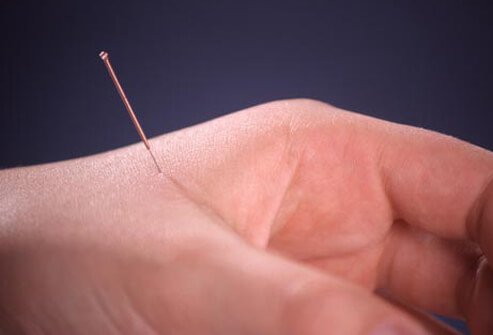
Pain can affect almost every part of daily life—from movement and sleep to concentration and overall well-being. Whether it is occasional discomfort or persistent pain, finding a safe and appropriate way to manage it is important. Acupuncture is a traditional therapy that has been practiced for centuries and is now widely explored as a complementary approach for certain types of pain. Research has found that acupuncture may help some people manage conditions such as lower-back pain, neck pain, osteoarthritis, and headaches. At Olista Health, acupuncture is provided as part of a personalized approach to wellness and pain management. What Is Acupuncture? Acupuncture involves inserting very thin, sterile, single-use needles into specific points on the body. Traditional acupuncture describes these points in relation to pathways and the flow of Qi (energy). From a modern scientific perspective, researchers have also investigated acupuncture’s effects on the nervous system, connective tissues, and the body’s natural pain-regulation mechanisms. The response to acupuncture can vary from person to person. How Does Acupuncture Help With Pain? When acupuncture needles stimulate specific points, they can activate nerves and other tissues. Research suggests that this stimulation may influence the way the nervous system processes pain and may promote the release of the body’s natural pain-regulating substances. Acupuncture may also influence: These effects may help some people experience a reduction in pain and improved physical comfort. What Types of Pain May Acupuncture Help With? Acupuncture has been studied for several types of pain, including: The effectiveness can vary depending on the underlying condition and the individual. Is Acupuncture Scientifically Supported? Acupuncture has been researched extensively, particularly for pain management. Evidence suggests that it can provide benefits for some pain conditions, although it is not effective for every condition or every person. It is best viewed as a complementary treatment that may be used alongside appropriate medical care, physical therapy, exercise, or other evidence-based treatments. How Are Acupuncture Points Stimulated? Acupuncture points may be stimulated using different techniques, depending on the treatment plan. These can include: Your practitioner determines the appropriate method based on your symptoms and overall health. Does Acupuncture Hurt? One common concern is that acupuncture will be painful because needles are involved. Acupuncture needles are extremely thin, and most people experience little discomfort during insertion. You may notice a mild sensation such as pressure, tingling, warmth, or heaviness around the treatment point. Individual experiences can vary. What Kind of Needles Are Used? Modern acupuncture commonly uses thin, sterile, stainless-steel needles designed for single use. At Olista Health, appropriate hygiene and safety procedures are followed, including the use of sterile, single-use needles. How Many Acupuncture Sessions Are Needed? There is no fixed number of sessions required for everyone. Your treatment plan depends on factors such as: Some people notice changes after a few sessions, while others may require a longer course of treatment. Your practitioner can discuss a suitable plan after an individual assessment. Potential Benefits of Acupuncture 1. May Help Manage Pain Acupuncture may help reduce pain associated with certain musculoskeletal and chronic pain conditions. 2. May Promote Relaxation Pain and stress can influence each other. Acupuncture sessions may help some people feel more relaxed and support overall well-being. 3. May Support Mobility When pain and muscle tension interfere with movement, reducing discomfort may help support more comfortable everyday activity. 4. May Complement Other Treatments Acupuncture can sometimes be incorporated into a broader treatment plan alongside physical therapy, exercise, medication, or other appropriate medical care. Acupuncture and Chronic Pain Living with chronic pain can be challenging. Conditions such as persistent back pain, osteoarthritis, headaches, or muscle pain may affect sleep, work, exercise, and everyday activities. Acupuncture may provide complementary support for some people with chronic pain, but it is important to identify and address the underlying cause whenever possible. If you have been advised to undergo surgery or take long-term medication, do not stop or delay your prescribed treatment without consulting your doctor. You can discuss whether acupuncture may be safely incorporated into your existing care plan. Is Acupuncture Safe? When performed by a properly trained practitioner using sterile, single-use needles, acupuncture is generally considered a low-risk treatment. Possible temporary effects can include: Tell your practitioner about your medical conditions, medications, pregnancy status, and any concerns before treatment. Why Choose Olista Health? At Olista Health, we understand that pain is different for everyone. Our approach focuses on understanding your symptoms and creating an individualized treatment plan. We focus on: Take the First Step Toward Better Pain Management You don’t have to ignore persistent pain or simply live with it. Understanding the cause of your symptoms and exploring appropriate treatment options can help you make informed decisions about your health. If you’re considering acupuncture for pain management, Olista Health can help you understand whether it may be appropriate for your individual needs. Olista Health — Your Wellness. Our Care. 💜 Disclaimer: This article is for general educational purposes only and does not replace professional medical advice, diagnosis, or treatment. Acupuncture is not a guaranteed cure for pain or any medical condition. If you have persistent, severe, or unexplained pain, consult a qualified healthcare professional.

Can Acupuncture Help With Insomnia and Sleep Problems?
It’s late at night. You’re tired, but your mind just won’t slow down. You keep checking the clock, hoping you’ll finally fall asleep. If this happens regularly, you may be experiencing insomnia. Insomnia is a common sleep problem involving difficulty falling asleep, staying asleep, or getting good-quality sleep despite having enough opportunity to rest. Poor sleep can affect your energy, mood, concentration, memory, and overall quality of life. At Olista Health, acupuncture may be considered as a complementary approach to support relaxation and healthy sleep patterns. What Is Insomnia? Insomnia can involve: Insomnia can be short-term or persistent, depending on its underlying causes and duration. What Can Cause Insomnia? Sleep difficulties can have many possible causes. Common contributing factors include: Identifying the underlying cause is an important part of managing persistent insomnia. Can Acupuncture Help With Insomnia? Acupuncture has been studied as a complementary approach for insomnia and other sleep difficulties. Some research suggests that acupuncture may help improve sleep quality for certain people, although the evidence is still developing and results are not the same for everyone. Acupuncture should not be considered a guaranteed cure for insomnia. At Olista Health, treatment is personalized according to your symptoms, health history, lifestyle, and overall wellness needs. How Does Acupuncture Work for Sleep? Acupuncture involves inserting very thin, sterile, single-use needles at specific points on the body. Research suggests that acupuncture may influence the nervous system and processes involved in relaxation, stress regulation, and pain perception. During treatment, stimulation of acupuncture points may help some people: The exact way acupuncture affects sleep is still being researched. Potential Benefits of Acupuncture for Insomnia 1. Promotes Relaxation Stress and racing thoughts can make it difficult to fall asleep. Acupuncture may help promote a sense of calm and relaxation. 2. Supports Sleep Quality Some studies suggest acupuncture may improve aspects of sleep quality in certain people with insomnia. 3. May Help With Stress-Related Sleep Problems When stress contributes to poor sleep, acupuncture may be used alongside healthy sleep habits and other appropriate treatments. 4. May Help Manage Pain For people whose sleep is disrupted by certain types of pain, acupuncture may provide complementary support for pain management, potentially making rest more comfortable. Is Acupuncture Painful? Acupuncture needles are extremely thin. Most people experience little discomfort during insertion, although sensations such as mild pressure, tingling, or warmth may occur. A qualified practitioner should use sterile, single-use needles and follow appropriate hygiene and safety procedures. How Many Sessions Might You Need? There is no standard number of acupuncture sessions for insomnia. Your treatment plan may depend on: Your practitioner can recommend an individualized schedule after discussing your concerns. Acupuncture and Other Sleep Treatments Acupuncture can sometimes be used as a complementary therapy alongside conventional approaches to sleep problems. However, do not stop or change prescribed sleep medication without speaking with your doctor. If your insomnia is caused by another medical or sleep condition, treating that underlying problem is important. When Should You Seek Professional Help? Speak with a healthcare professional if sleep problems are persistent, significantly affect your daytime activities, or are accompanied by symptoms such as loud snoring, breathing interruptions during sleep, severe daytime sleepiness, or other concerning symptoms. Persistent insomnia can sometimes be associated with an underlying physical or mental-health condition that needs appropriate evaluation. Why Choose Olista Health? At Olista Health, we believe sleep and wellness care should be personalized. Our approach includes: Get the Rest You Deserve Good sleep plays an important role in your physical and emotional well-being. If you’re struggling with persistent sleep difficulties, start by understanding the possible cause and exploring appropriate treatment options. If you’re considering acupuncture as a complementary approach for insomnia, Olista Health can help you understand whether it may be suitable for your needs. Olista Health — Your Wellness. Our Care. 💜 Disclaimer: This article is for general educational purposes only and does not replace professional medical advice, diagnosis, or treatment. Acupuncture is not a guaranteed cure for insomnia. If sleep difficulties persist or significantly affect your daily life, consult a qualified healthcare professional.

Cupping Therapy for Sports Injuries and General Wellness
Cupping therapy is a traditional complementary therapy that has been practiced across several cultures for centuries. In recent years, it has gained attention in sports and wellness settings, with athletes and active individuals exploring it as part of their recovery and relaxation routines. Cupping is commonly used alongside other approaches to help manage muscle tension, soreness, and certain types of musculoskeletal discomfort. At Olista Health, cupping therapy is personalized according to an individual’s needs and health condition. What Is Cupping Therapy? Cupping therapy involves placing specially designed cups on the skin and creating gentle suction. The suction lifts the skin and underlying tissues, creating a stretching sensation in the treated area. Depending on the technique used, cups may remain in one position or be gently moved across the skin. Cupping is commonly explored for: Cupping should be considered a complementary therapy, rather than a replacement for appropriate medical care or rehabilitation. How Can Cupping Help With Sports Injuries? Athletes and physically active individuals often experience muscle soreness, tightness, and overuse-related discomfort. When appropriately performed, cupping may help support: 1. Muscle Relaxation The gentle suction created by the cups stretches the skin and underlying soft tissues. This may help some people experience temporary relief from muscle tightness. 2. Local Circulation Cupping increases blood flow to the treated area temporarily. This may contribute to a feeling of warmth and relaxation in the muscles. 3. Flexibility and Movement By helping reduce feelings of muscle tightness, cupping may support comfortable movement and mobility. 4. Recovery and Relaxation Some athletes use cupping as part of a broader recovery routine alongside stretching, exercise, physiotherapy, massage, and adequate rest. What Is Dry Cupping? Dry cupping is one of the commonly used forms of cupping therapy. During dry cupping, cups are placed on the skin and suction is created without making cuts or drawing blood. Depending on the treatment plan, the cups may be: The technique used depends on the individual’s symptoms, health history, and treatment goals. How Does Dry Cupping Work? During a dry cupping session, suction draws the skin and superficial tissues upward into the cup. This creates a temporary change in pressure and may increase local blood flow. The stretching sensation may also help promote relaxation of the treated soft tissues. After treatment, temporary circular marks may appear on the skin. These marks are caused by changes in the small blood vessels near the skin and do not indicate that toxins or harmful substances have been removed from the body. The marks generally fade naturally over several days, although the duration can vary between individuals. What Are the Potential Benefits of Cupping? Research into cupping is still developing, but some people use it as a complementary approach for: The effectiveness can vary depending on the individual and the underlying condition. Cupping for General Wellness Cupping isn’t only used by athletes. Some people explore it as part of their general wellness routine, particularly when they experience muscle tightness or physical stress. A cupping session may provide a relaxing experience and can be incorporated alongside other wellness approaches when appropriate. Are Cupping Marks Normal? Yes. Temporary circular marks are a common result of cupping. Their appearance can vary depending on: The marks are not a measurement of “toxins” in the body. They usually fade gradually on their own. Are There Any Side Effects? Cupping is generally considered a low-risk complementary therapy when performed appropriately, but it can cause temporary effects such as: More intensive forms of cupping can carry additional risks, particularly when skin is broken. For this reason, treatment should be performed by a properly trained practitioner using appropriate hygiene and safety procedures. Cupping may not be suitable for everyone. People with certain medical conditions, bleeding problems, skin conditions, or those taking certain medications should consult an appropriate healthcare professional before treatment. Who May Consider Cupping Therapy? Cupping may be considered by people experiencing: For an injury, proper assessment is important before beginning any complementary therapy. Cupping at Olista Health At Olista Health, we take a personalized approach to cupping therapy. Our practitioners consider your symptoms, health history, physical condition, and wellness goals before selecting an appropriate technique. We focus on: Support Your Recovery and Well-Being Whether you’re an athlete dealing with muscle soreness or simply looking for a complementary approach to relaxation and wellness, cupping may be an option worth discussing with a qualified practitioner. Olista Health — Your Wellness. Our Care. 💜 Disclaimer: This article is for general educational purposes only and does not replace professional medical advice, diagnosis, or treatment. Cupping is not a guaranteed treatment or cure for injuries or medical conditions. If you have a significant injury, persistent pain, or an underlying health condition, consult a qualified healthcare professional before beginning cupping therapy.

Acupuncture for Female Infertility: Can It Support Natural Conception?
Starting a family is an important journey, and experiencing difficulty conceiving can be emotionally and physically challenging. Female infertility can have many possible causes, including ovulation problems, hormonal conditions, endometriosis, blocked fallopian tubes, age-related factors, and conditions affecting the reproductive system. Modern fertility care offers several options, including medication, surgery, assisted reproductive technologies such as IVF, and other treatments. Some women also explore acupuncture as a complementary therapy alongside conventional fertility care. At Olista Health, acupuncture is approached as supportive wellness care and is not intended to replace evaluation or treatment from a qualified fertility specialist. What Is Female Infertility? Infertility generally refers to difficulty achieving pregnancy after a period of regular, unprotected intercourse. The appropriate timeframe for seeking a fertility evaluation can vary depending on age, medical history, and individual circumstances. If you have been trying to conceive without success, consulting a gynecologist or fertility specialist can help identify possible causes and appropriate treatment options. What Can Cause Difficulty Conceiving? Female infertility can have several possible causes, including: Sometimes, fertility difficulties remain unexplained even after medical evaluation. Both partners should be considered during a fertility assessment because fertility problems can involve either partner or both. Can Stress Affect Fertility? Trying to conceive can itself be stressful, particularly when fertility treatment is involved. Stress can affect sleep, mood, appetite, and overall well-being. Although stress should not automatically be considered the cause of infertility, managing stress and maintaining emotional well-being can be an important part of a healthy fertility journey. Acupuncture may be explored as a complementary approach to relaxation and stress management. How Can Acupuncture Support Fertility Care? Acupuncture involves inserting very thin, sterile needles at specific points on the body. From the perspective of traditional acupuncture, treatment aims to support balance within the body. Modern research has also investigated acupuncture’s potential effects on the nervous system, stress responses, and other physiological processes. Some people choose acupuncture during fertility treatment for its potential supportive benefits, although evidence regarding whether it directly improves natural conception or pregnancy rates remains mixed. 1. Supporting Relaxation Acupuncture sessions may help some people relax and manage stress during the fertility journey. 2. Supporting Overall Well-Being A personalized acupuncture program may be incorporated into a broader wellness routine alongside appropriate medical fertility care. 3. Complementary Support During Fertility Treatment Some people choose acupuncture before or during fertility treatments such as IVF. However, acupuncture should not be considered a guaranteed method for improving fertility or IVF success. 4. Personalized Care Fertility concerns can have many different causes. A qualified practitioner can consider your health history, symptoms, current treatments, and wellness goals when determining whether acupuncture may be appropriate. Can Acupuncture Help You Conceive Naturally? This is an important question. While acupuncture has been studied in relation to fertility, there is not enough evidence to conclude that acupuncture alone can reliably increase natural pregnancy rates or treat the underlying causes of infertility. For example, acupuncture cannot unblock a physically blocked fallopian tube or correct every hormonal or structural cause of infertility. If you are experiencing difficulty conceiving, appropriate evaluation by a gynecologist or fertility specialist remains essential. Acupuncture may be considered as complementary support, particularly for relaxation and overall well-being. Acupuncture and IVF Some people use acupuncture alongside IVF treatment. Research has investigated acupuncture around different stages of IVF, including before and around embryo transfer. However, studies have produced mixed results, and acupuncture has not been established as a guaranteed way to increase IVF success rates. If you are undergoing IVF, always discuss acupuncture with your fertility specialist and ensure that your acupuncturist knows about your medications and treatment schedule. Is Acupuncture Safe? When performed by a properly trained practitioner using appropriate infection-control procedures and sterile, single-use needles, acupuncture is generally considered a low-risk complementary therapy. However, it may not be appropriate for everyone. Your practitioner should know about your medical history, medications, pregnancy status, and fertility treatment before beginning treatment. Common minor effects can include temporary soreness, bruising, or slight bleeding at needle sites. How Long Does an Acupuncture Session Take? The duration of an acupuncture session can vary depending on the treatment approach and individual needs. Your practitioner will explain what to expect during your consultation. The number and frequency of sessions also vary from person to person. There is no universal treatment schedule for fertility-related acupuncture. Why Choose Olista Health? At Olista Health, we understand that every fertility journey is unique. Our approach focuses on personalized acupuncture and wellness care while recognizing the importance of appropriate medical fertility treatment. We focus on: Supporting Your Fertility Journey If you’re experiencing difficulty conceiving, you don’t have to navigate the journey without support. Start with a proper fertility evaluation and discuss all available treatment options with a qualified specialist. If you’re interested in acupuncture as a complementary approach, Olista Health can help you understand whether it may be suitable for your individual needs. Olista Health — Your Wellness. Our Care. 💜 Disclaimer: This article is for general educational purposes only and does not constitute fertility or medical advice. Acupuncture has not been proven to cure infertility or guarantee natural conception or IVF success. Always consult a qualified gynecologist or fertility specialist for infertility evaluation and treatment, and discuss complementary therapies with your healthcare team.

Acupuncture and IVF: Can It Support Your Fertility Journey?
In vitro fertilization (IVF) can be an emotionally and physically demanding journey. Along with medical treatment, some people explore complementary therapies such as acupuncture to support relaxation and overall well-being during the IVF process. Acupuncture should be considered complementary care and not a replacement for fertility treatment prescribed by your IVF specialist. Acupuncture Before and During IVF Acupuncture is sometimes used before or during an IVF cycle as a supportive therapy. Treatment plans should be individualized according to a person’s health history, fertility treatment plan, symptoms, and overall wellness needs. Some people choose acupuncture to support: Your acupuncture practitioner should coordinate appropriately with your fertility care team when necessary. When Is Acupuncture Used During IVF? Acupuncture may be considered at different stages of an IVF journey, depending on the individual’s circumstances. Before Starting IVF Acupuncture may be used as part of a wellness routine before an IVF cycle begins. The focus may include relaxation, stress management, and supporting general well-being. During Fertility Medication The medication phase of IVF can be physically and emotionally demanding. Some people use acupuncture as complementary support during this stage, particularly for relaxation and stress management. Around Egg Retrieval Some fertility patients explore acupuncture around the time of egg retrieval. Whether this is appropriate depends on the individual’s treatment plan and should be discussed with both the fertility specialist and acupuncturist. Around Embryo Transfer Acupuncture has also been studied around the time of embryo transfer. However, research has produced mixed results regarding whether acupuncture improves IVF pregnancy or live-birth rates. Therefore, acupuncture should not be presented as a guaranteed way to increase implantation or IVF success. Potential Benefits of Acupuncture During IVF 1. May Help With Stress and Relaxation IVF can be stressful. Acupuncture may help some people feel more relaxed and may support overall emotional well-being during fertility treatment. 2. May Support General Well-Being A personalized acupuncture program can be incorporated into a broader wellness routine while you continue with your fertility specialist’s recommended treatment. 3. May Help With Treatment-Related Discomfort Some people explore acupuncture for certain symptoms or discomfort associated with fertility treatment. Your practitioner can determine whether acupuncture is appropriate for your situation. 4. Personalized Care Acupuncture treatment is not the same for everyone. Your practitioner may consider your health history, symptoms, fertility treatment plan, and overall wellness before recommending treatment. Can Acupuncture Increase IVF Success Rates? This is an important question. Although acupuncture has been studied extensively in relation to IVF, current evidence does not establish that acupuncture reliably increases pregnancy or live-birth rates. Some studies have reported potential benefits, while others have found little or no improvement in IVF outcomes. Results can vary depending on the study and the population being treated. For this reason, acupuncture should be viewed primarily as a complementary therapy for support and well-being, rather than a treatment that guarantees IVF success. Is Acupuncture Safe During IVF? Acupuncture can be safe when performed by an appropriately trained practitioner using sterile, single-use needles. However, fertility treatment involves specific medical considerations, so it is important to tell your acupuncturist about your IVF medications, procedures, pregnancy status, and any medical conditions. Always discuss complementary therapies with your IVF specialist or fertility doctor before starting them. A Personalized Approach at Olista Health At Olista Health, we understand that every fertility journey is different. Our acupuncture approach is tailored to the individual’s needs rather than following a one-size-fits-all treatment plan. We focus on: Supporting You Through Your IVF Journey IVF can be a challenging journey, and looking after your emotional and physical well-being is important throughout the process. If you’re considering acupuncture during IVF, speak with your fertility specialist and a qualified acupuncturist to determine whether it may be appropriate for you. Olista Health — Your Wellness. Our Care. 💜 Disclaimer: This article is for general educational purposes only and does not constitute medical or fertility advice. Acupuncture is not a replacement for IVF or other fertility treatments and does not guarantee pregnancy or a successful IVF outcome. Always consult your fertility specialist before adding complementary therapies to your treatment plan.
How Effective Is Acupuncture for Anxiety?
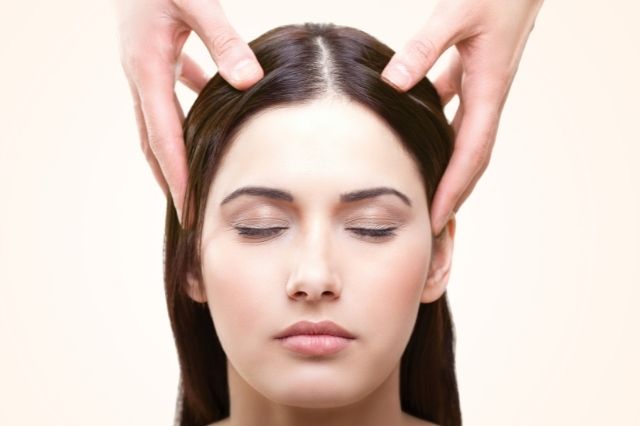
Feeling constantly worried, restless, tense, or overwhelmed can be difficult. Anxiety can affect both emotional well-being and everyday life, and it may also be accompanied by physical symptoms such as muscle tension, difficulty sleeping, a racing heartbeat, or digestive discomfort. Managing anxiety often involves a combination of approaches based on the individual’s needs. Alongside professional mental-health care and healthy lifestyle habits, some people explore acupuncture as a complementary therapy for relaxation and symptom management. Can Acupuncture Help With Anxiety? Acupuncture has been studied as a complementary approach for anxiety and stress. Some research suggests that it may help reduce anxiety symptoms in certain people, but the evidence is still developing and results can vary. Acupuncture should not be considered a cure for anxiety or a replacement for evidence-based mental-health treatment. At Olista Health, acupuncture may be incorporated into a personalized wellness plan to support relaxation and overall well-being. How Does Acupuncture Work? Acupuncture involves inserting very thin, sterile needles at specific points on the body. From the perspective of traditional acupuncture, treatment aims to support balance within the body. Modern research has also explored how acupuncture may influence the nervous system, pain processing, stress responses, and relaxation. The exact response can vary from person to person. Acupuncture for Stress and Anxiety Stress and anxiety can sometimes contribute to muscle tension, poor sleep, headaches, and difficulty relaxing. Acupuncture sessions may help some people feel more relaxed and may be used as part of a broader approach to managing stress. Potential areas of support include: What Are the Benefits of Acupuncture for Anxiety? 1. May Promote Relaxation A calm acupuncture session may help some people relax, particularly when stress and muscle tension are affecting their daily lives. 2. May Support Sleep Anxiety and stress can sometimes make it difficult to fall asleep or stay asleep. Acupuncture may be considered as a complementary approach to support relaxation and healthy sleep habits. 3. May Help Manage Physical Symptoms of Stress Stress can be associated with headaches, muscle tension, digestive discomfort, and other physical symptoms. Acupuncture may help manage certain symptoms for some individuals. 4. Personalized Approach A qualified practitioner can consider your symptoms, lifestyle, health history, and wellness goals when developing an acupuncture plan. How Many Sessions Are Needed? There is no fixed number of acupuncture sessions required for anxiety. Your treatment plan may depend on: Your practitioner can discuss the expected frequency and duration of sessions during your consultation. Is Acupuncture a Replacement for Anxiety Treatment? No. Anxiety can have many causes and levels of severity. If anxiety is significantly affecting your daily life, relationships, sleep, studies, or work, speaking with a qualified mental-health professional is important. Acupuncture can be considered a complementary wellness approach, but it should not replace professional psychological or medical care when needed. If you take medication for anxiety or another health condition, don’t stop or change it without speaking with your healthcare professional. Why Choose Olista Health? At Olista Health, we believe wellness care should be personalized to each individual. Our practitioners take time to understand your concerns and health history before recommending an appropriate acupuncture approach. We focus on: Take a Step Toward Better Well-Being Anxiety can feel overwhelming, but support is available. Understanding your symptoms and seeking appropriate professional guidance can be an important first step. If you’re interested in acupuncture as a complementary approach for stress, relaxation, or anxiety-related symptoms, Olista Health can help you understand whether it may be suitable for you. Olista Health — Your Wellness. Our Care. 💜 Disclaimer: This article is for general educational purposes only and is not a substitute for professional medical or mental-health advice, diagnosis, or treatment. Acupuncture is not a guaranteed treatment or cure for anxiety. If anxiety is severe, persistent, or affecting your daily life, please consult a qualified mental-health or healthcare professional.

Does Acupuncture Help With Vertigo?
Vertigo is a sensation of spinning or movement, either in yourself or in the surrounding environment. It is a symptom rather than a specific disease and can have several possible causes, including inner-ear conditions, migraine, medication effects, or problems affecting the nervous system. Because the underlying cause of vertigo can vary, proper medical evaluation is important before choosing a treatment approach. Common Symptoms of Vertigo Depending on the cause, vertigo may be accompanied by: Symptoms can range from mild to severe and may interfere with everyday activities. Can Acupuncture Help With Vertigo? Acupuncture has been used as a complementary therapy for dizziness and related symptoms for many years. Some research has investigated whether acupuncture may help people experiencing vertigo or dizziness, although the evidence is mixed and depends on the underlying cause. At Olista Health, acupuncture may be considered as part of an individualized wellness plan after understanding your symptoms and health history. How May Acupuncture Support Vertigo Management? Acupuncture may potentially support symptom management through several mechanisms, including: However, acupuncture should not be described as a guaranteed or permanent cure for vertigo. How Many Acupuncture Sessions Are Needed? There is no fixed number of sessions that works for everyone. The recommended frequency can depend on: Your practitioner can discuss an appropriate treatment plan after an individual assessment. Why Choose Olista Health? At Olista Health, we focus on personalized wellness care rather than using the same approach for everyone. Our practitioners take time to understand your symptoms and health history before suggesting acupuncture as a complementary option. Our approach includes: When Should You See a Doctor? Vertigo can sometimes be caused by conditions that require medical attention. Seek prompt medical care if dizziness or vertigo is sudden or severe, especially when accompanied by symptoms such as difficulty speaking, facial weakness, severe headache, fainting, chest pain, new weakness or numbness, or difficulty walking. It is also important to have persistent or recurrent vertigo evaluated so that the underlying cause can be identified. Take a Step Toward Better Wellness If you experience recurring dizziness or vertigo, don’t ignore the symptoms. A proper medical assessment can help identify the cause and guide appropriate treatment. If acupuncture is suitable for you, Olista Health can provide personalized complementary wellness care focused on comfort, relaxation, and overall well-being. Olista Health — Your Wellness. Our Care. Disclaimer: This article is for general educational purposes only and is not a substitute for professional medical advice, diagnosis, or treatment. Acupuncture is not a guaranteed or permanent cure for vertigo. Please consult a qualified healthcare professional for persistent, severe, or new symptoms.