Cupping therapy is a traditional complementary therapy that has been practiced across several cultures for centuries. In recent years, it has gained attention in sports and wellness settings, with athletes and active individuals exploring it as part of their recovery and relaxation routines.
Cupping is commonly used alongside other approaches to help manage muscle tension, soreness, and certain types of musculoskeletal discomfort. At Olista Health, cupping therapy is personalized according to an individual’s needs and health condition.
What Is Cupping Therapy?
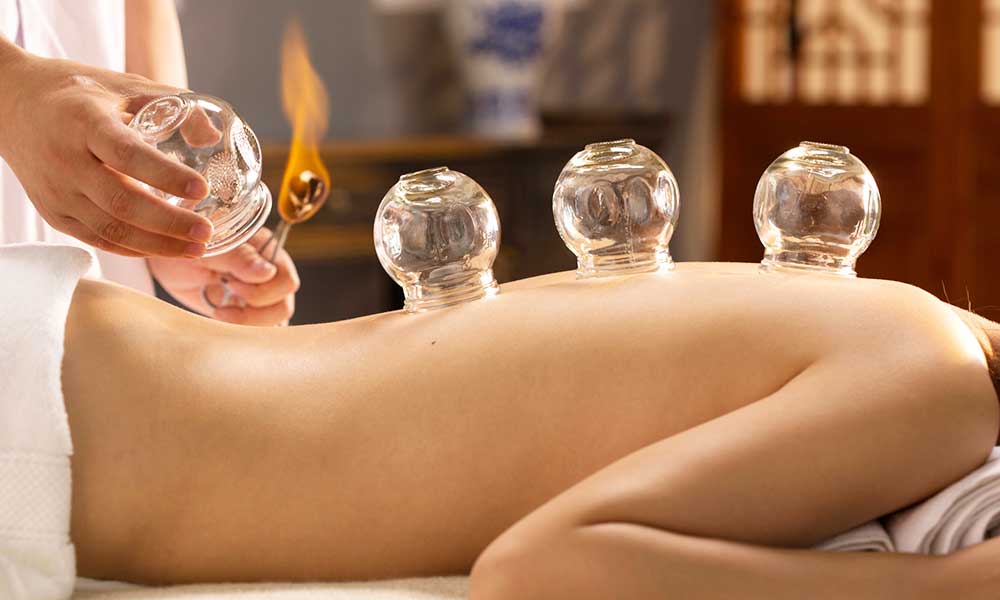
Cupping therapy involves placing specially designed cups on the skin and creating gentle suction. The suction lifts the skin and underlying tissues, creating a stretching sensation in the treated area.
Depending on the technique used, cups may remain in one position or be gently moved across the skin.
Cupping is commonly explored for:
- Muscle soreness and tension
- Back and neck discomfort
- Sports-related muscle strain
- Reduced range of movement
- General muscle stiffness
- Stress and relaxation
Cupping should be considered a complementary therapy, rather than a replacement for appropriate medical care or rehabilitation.
How Can Cupping Help With Sports Injuries?
Athletes and physically active individuals often experience muscle soreness, tightness, and overuse-related discomfort.
When appropriately performed, cupping may help support:
1. Muscle Relaxation
The gentle suction created by the cups stretches the skin and underlying soft tissues. This may help some people experience temporary relief from muscle tightness.
2. Local Circulation
Cupping increases blood flow to the treated area temporarily. This may contribute to a feeling of warmth and relaxation in the muscles.
3. Flexibility and Movement
By helping reduce feelings of muscle tightness, cupping may support comfortable movement and mobility.
4. Recovery and Relaxation
Some athletes use cupping as part of a broader recovery routine alongside stretching, exercise, physiotherapy, massage, and adequate rest.
What Is Dry Cupping?
Dry cupping is one of the commonly used forms of cupping therapy.
During dry cupping, cups are placed on the skin and suction is created without making cuts or drawing blood.
Depending on the treatment plan, the cups may be:
- Left stationary for a specific period
- Gently moved across the skin
- Applied to selected areas of muscle tension
The technique used depends on the individual’s symptoms, health history, and treatment goals.
How Does Dry Cupping Work?
During a dry cupping session, suction draws the skin and superficial tissues upward into the cup.
This creates a temporary change in pressure and may increase local blood flow. The stretching sensation may also help promote relaxation of the treated soft tissues.
After treatment, temporary circular marks may appear on the skin. These marks are caused by changes in the small blood vessels near the skin and do not indicate that toxins or harmful substances have been removed from the body.
The marks generally fade naturally over several days, although the duration can vary between individuals.
What Are the Potential Benefits of Cupping?
Research into cupping is still developing, but some people use it as a complementary approach for:
- Muscle soreness
- Muscle tension
- Back and neck discomfort
- Certain sports-related aches
- General relaxation
- Supporting mobility
- Temporary relief from musculoskeletal discomfort
The effectiveness can vary depending on the individual and the underlying condition.
Cupping for General Wellness
Cupping isn’t only used by athletes. Some people explore it as part of their general wellness routine, particularly when they experience muscle tightness or physical stress.
A cupping session may provide a relaxing experience and can be incorporated alongside other wellness approaches when appropriate.
Are Cupping Marks Normal?
Yes. Temporary circular marks are a common result of cupping.
Their appearance can vary depending on:
- Suction intensity
- Treatment duration
- Skin sensitivity
- Individual response
- The technique used
The marks are not a measurement of “toxins” in the body. They usually fade gradually on their own.
Are There Any Side Effects?
Cupping is generally considered a low-risk complementary therapy when performed appropriately, but it can cause temporary effects such as:
- Circular skin discoloration
- Mild soreness
- Skin irritation
- Tenderness
- Bruising
More intensive forms of cupping can carry additional risks, particularly when skin is broken. For this reason, treatment should be performed by a properly trained practitioner using appropriate hygiene and safety procedures.
Cupping may not be suitable for everyone. People with certain medical conditions, bleeding problems, skin conditions, or those taking certain medications should consult an appropriate healthcare professional before treatment.
Who May Consider Cupping Therapy?
Cupping may be considered by people experiencing:
- Sports-related muscle soreness
- Muscle stiffness or tension
- Back or neck discomfort
- Certain soft-tissue complaints
- General physical stress and tension
For an injury, proper assessment is important before beginning any complementary therapy.
Cupping at Olista Health
At Olista Health, we take a personalized approach to cupping therapy. Our practitioners consider your symptoms, health history, physical condition, and wellness goals before selecting an appropriate technique.
We focus on:
- Personalized consultations
- Individualized treatment plans
- Safe and hygienic practices
- Appropriate cupping techniques
- Clean treatment environments
- Supporting your overall wellness
Support Your Recovery and Well-Being
Whether you’re an athlete dealing with muscle soreness or simply looking for a complementary approach to relaxation and wellness, cupping may be an option worth discussing with a qualified practitioner.
Olista Health — Your Wellness. Our Care. 💜
Disclaimer: This article is for general educational purposes only and does not replace professional medical advice, diagnosis, or treatment. Cupping is not a guaranteed treatment or cure for injuries or medical conditions. If you have a significant injury, persistent pain, or an underlying health condition, consult a qualified healthcare professional before beginning cupping therapy.