

Cancer treatment has advanced significantly, offering many effective options such as chemotherapy, radiation therapy, surgery, and hormone therapy. However, these treatments can sometimes cause side effects that affect a person’s comfort, energy, sleep, and overall quality of life. Acupuncture does not treat or cure cancer itself. However, when used alongside appropriate medical care, it may help some people manage certain symptoms and treatment-related side effects. At Olista Health, acupuncture is considered as a complementary wellness approach, based on an individual’s symptoms and overall health needs. How Can Acupuncture Help During Cancer Treatment? 1. Managing Pain Pain can occur because of cancer itself or as a result of certain treatments. Acupuncture may help some people manage pain by stimulating the nervous system and influencing the body’s natural pain-regulation mechanisms. It may be considered as a complementary approach alongside a treatment plan recommended by your oncology team. 2. Cancer-Related Fatigue Fatigue is a common concern during and after cancer treatment. It can make everyday activities feel more difficult and may affect overall well-being. Some research has explored acupuncture as a supportive approach for cancer-related fatigue. Depending on the individual, it may help promote relaxation and support overall comfort and well-being. 3. Sleep Difficulties Changes in sleep are common during cancer treatment. Stress, discomfort, changes in routine, medications, and treatment-related symptoms can all affect sleep. Acupuncture may help promote relaxation and may be useful as part of a broader approach to improving sleep quality. 4. Chemotherapy-Related Neuropathy Some chemotherapy medicines can affect peripheral nerves, leading to symptoms such as: Tingling or numbness Burning sensations Increased sensitivity Discomfort in the hands or feet Acupuncture has been studied as a complementary option for chemotherapy-induced peripheral neuropathy. However, results can vary, and it should be discussed with your oncology team before starting treatment. How Does Acupuncture Work as Complementary Care? During acupuncture, very thin sterile needles are placed at specific points on the body by a trained practitioner. The treatment is intended to stimulate the nervous system and may influence pain perception, relaxation, and other physiological responses. The goal is not to replace cancer treatment, but to support symptom management and overall comfort where appropriate. Why Choose Olista Health? At Olista Health, we take an individualized approach to complementary wellness care. Before recommending acupuncture, our practitioners consider your symptoms, health history, ongoing treatments, and overall wellness needs. We focus on: Personalized consultations Safe and hygienic treatment practices Sterile, single-use acupuncture needles Individualized treatment planning Coordination with appropriate medical care when needed A calm and supportive environment Is Acupuncture Suitable for Everyone? Not necessarily. If you are undergoing cancer treatment, it is important to consult your oncologist or healthcare professional before beginning acupuncture. Your practitioner should also know about your diagnosis, current treatments, medications, blood counts, and any other relevant health concerns. Acupuncture should be viewed as a complementary therapy rather than a replacement for conventional cancer treatment. Take a Supportive Step Toward Better Well-Being Managing cancer and its treatment can be challenging. If you are considering acupuncture to help with symptoms such as pain, fatigue, sleep difficulties, or treatment-related neuropathy, speak with your healthcare team and a qualified acupuncture practitioner to determine whether it may be appropriate for you. Olista Health provides personalized acupuncture and wellness care with a focus on safety, comfort, and individual needs. Your Wellness. Our Care. Disclaimer: This article is for general educational purposes only and does not provide medical advice. Acupuncture is not a treatment or cure for cancer. Always consult your oncologist or qualified healthcare professional before starting complementary therapy, particularly during cancer treatment.
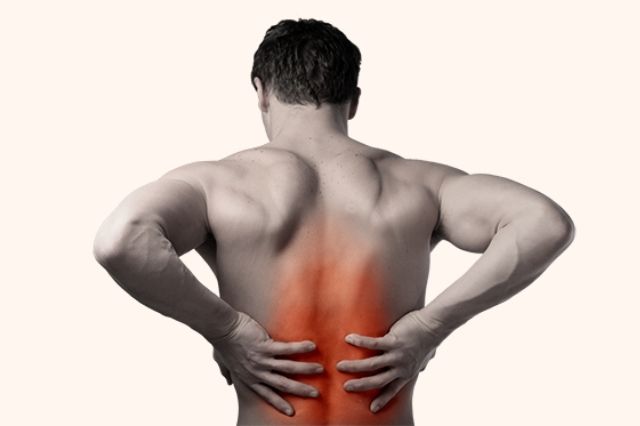
Why Is Acupuncture Considered for Sciatica?
Sciatica refers to pain or other symptoms that travel along the path of the sciatic nerve, which runs from the lower back through the buttocks and into the leg. It commonly occurs when a nerve root in the lower back becomes irritated or compressed. A herniated disc is one possible cause, but sciatica can also be associated with spinal narrowing, injuries, or muscle-related problems. At Olista Health, acupuncture may be considered as a complementary approach to help manage certain symptoms associated with sciatica, alongside appropriate medical evaluation and treatment. What Causes Sciatica? Several conditions can contribute to sciatic nerve irritation, including: The underlying cause should be evaluated by a qualified healthcare professional. Common Symptoms of Sciatica Sciatica can affect each person differently. Common symptoms include: Symptoms can range from mild to severe. Important Warning Signs Loss of bladder or bowel control, significant or rapidly worsening weakness, or numbness around the inner thighs or genital area can indicate a serious spinal problem and requires urgent medical attention. Can Acupuncture Help with Sciatica? Acupuncture has been studied as a complementary treatment for low-back pain and related symptoms. Some people may experience improvements in pain and function, although results vary and acupuncture is not appropriate as a replacement for medical assessment or treatment of the underlying cause. Acupuncture may be particularly useful as part of a broader approach that can include appropriate exercise, physical therapy, lifestyle changes, and medical care. How May Acupuncture Support Sciatica Management? Acupuncture involves inserting very thin, sterile, single-use needles at selected points on the body. Research suggests that acupuncture may influence the nervous system and the body’s pain-processing mechanisms. It may also help with muscle tension and relaxation. Potential benefits may include: 1. Supporting Pain Management Acupuncture may influence how the nervous system processes pain and may help some people manage lower-back and leg discomfort. 2. Relaxing Tight Muscles Muscle tension around the lower back, hips, and buttocks can contribute to discomfort. Acupuncture may help promote muscle relaxation. 3. Supporting Mobility When pain and muscle tightness affect movement, reducing discomfort may help make everyday movement more comfortable. 4. Promoting Relaxation Persistent pain can affect stress levels and sleep. Acupuncture sessions may promote relaxation as part of an overall wellness plan. How Does Acupuncture Treatment for Sciatica Work? Before treatment, an acupuncturist should discuss your symptoms, health history, existing conditions, medications, and treatment goals. Based on your individual needs, acupuncture points may be selected around the lower back, hips, legs, or other appropriate areas. The treatment approach can vary depending on: How Many Acupuncture Sessions May Be Needed? There is no single number of sessions that works for everyone. The recommended frequency and duration of treatment depend on the individual, the underlying cause, and how symptoms respond. Your practitioner can discuss a treatment plan with you after an initial assessment. It is better to evaluate progress over time rather than expect immediate results from a single session. Acupuncture as Part of a Complete Approach Sciatica can have different underlying causes, so identifying the cause is important. Depending on your condition, your healthcare team may recommend treatments such as: Acupuncture should complement—not replace—necessary medical care. Why Choose Olista Health? At Olista Health, wellness care should be personalized. Our practitioners take the time to understand your concerns and develop an approach tailored to your individual needs. If you’re experiencing symptoms associated with sciatica, we encourage you to seek appropriate medical evaluation and discuss whether acupuncture could be a suitable complementary option for you. Take the First Step Toward Better Wellness Don’t ignore persistent back or leg pain. Understanding the underlying cause is the first step toward appropriate care. Olista Health — Your Wellness. Our Care. 💜 Disclaimer: This article is for general educational purposes only and does not replace professional medical advice, diagnosis, or treatment. Acupuncture may not be suitable for everyone, and evidence for its effectiveness varies. Please consult a qualified healthcare professional for persistent, severe, or worsening symptoms.
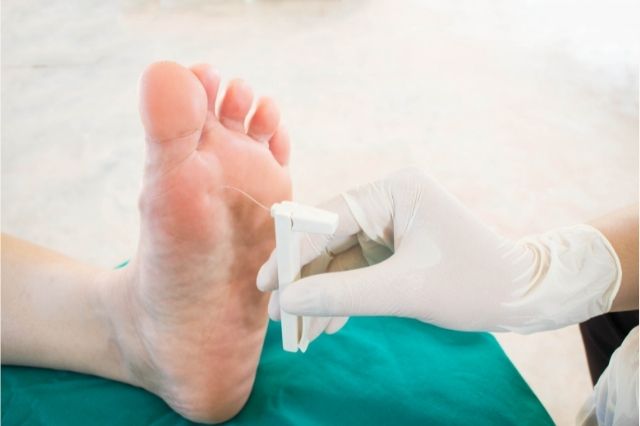
Is acupuncture good for neuropathic pain?
Neuropathy happens when nerves are damaged or not working properly, which can cause numbness, weakness, tingling, or discomfort in certain areas of the body. Neuropathy often starts in the feet and hands, but it can also affect other parts of the body. Symptoms vary depending on the cause and the person.They can include permanent or temporary loss of feeling, burning or tingling sensations, increased sensitivity to touch, pain, weakness, or even problems with the function of glands or organs, such as difficulty urinating or sexual dysfunction. Types of Neuropathy There are four main types of neuropathy that can affect the nervous system: 1.Peripheral symmetric neuropathy: This is the most common type of neuropathy in people with diabetes.It affects the hands and feet. 2.Autonomic neuropathy: This involves the nerves that control automatic body functions such as digestion, urination, and heart rate. 3.Thoracic and lumbar root or proximal neuropathy: This affects nerves in specific areas of the body like the chest and legs. 4.Mononeuropathy: This refers to damage to a single nerve. What Causes Neuropathy? Neuropathy can be caused by several factors including: – Diabetes: This is the most common cause.People with diabetes for a long time or who don’t manage their condition well are more likely to develop neuropathy. – Vitamin deficiencies: Lack of certain vitamins like B12 and folate can lead to nerve damage. – Autoimmune conditions: Conditions such as rheumatoid arthritis, lupus, and Guillain-Barré syndrome can cause neuropathy. – Infections: Some infections like HIV, Lyme disease, leprosy, and syphilis can damage nerves. – Post-herpetic neuralgia: This is a complication of shingles, which is caused by the varicella-zoster virus. – Alcohol-related neuropathy: Alcohol abuse and poor nutrition can damage nerves. – Amyloidosis: This disease causes abnormal proteins to build up in organs and can lead to nerve damage. – Uremia: A buildup of waste in the blood due to kidney failure can cause neuropathy. – Toxins and poisons: Exposure to chemicals like lead, mercury, and pesticides can damage nerves. – Medications: Some drugs, like chemotherapy medicines such as vincristine, can cause nerve damage. – Trauma or injury: Nerve injury from trauma or pressure can lead to neuropathy. – Tumors: Both good and bad tumors can press on nerves and cause damage. – Idiopathic neuropathy: This refers to nerve damage with no known cause. Can Acupuncture Help Treat Neuropathy? Acupuncture can be very effective in treating and even reversing small nerve injuries in the hands and feet.It helps reduce nerve irritation and numbness. One of the main benefits of acupuncture is that it can help reduce the feeling of numbness and pain, as well as the sharp, burning sensation and the uncomfortable “crawling” feeling.It also helps in healing the nerves, improving balance, and making it easier to walk on uneven surfaces and grip things like a coffee cup. Acupuncture is particularly effective in treating neuropathy caused by chemotherapy if it is started early.It can help restore nerve function. Acupuncture works by placing thin needles into specific points on the body to stimulate the nervous system.This helps release endorphins, which are natural painkillers in the brain, muscles, and spine.This process changes the body’s response to pain. Acupuncture also increases blood flow to damaged nerves, helping repair them. How Does Acupuncture Improve Neuropathy? The main goal of acupuncture for peripheral neuropathy is to help repair and protect damaged nerves. People with peripheral neuropathy often experience numbness and pain that can be very uncomfortable.Walking on hard, cold surfaces like tiles can feel like walking on glass. In peripheral neuropathy, damaged nerves in the peripheral nervous system can cause a burning, tingling, or loss of feeling in the feet and hands. The goal is to restore the function of damaged nerves and prevent them from dying.Acupuncture can make a big difference in this.For example, acupuncture near the fingertips can improve blood flow to small blood vessels and help the nerves work better. Acupuncture is a good alternative therapy for neuropathy when used with traditional treatments.It is important to choose an experienced acupuncturist who specializes in treating neuropathy.
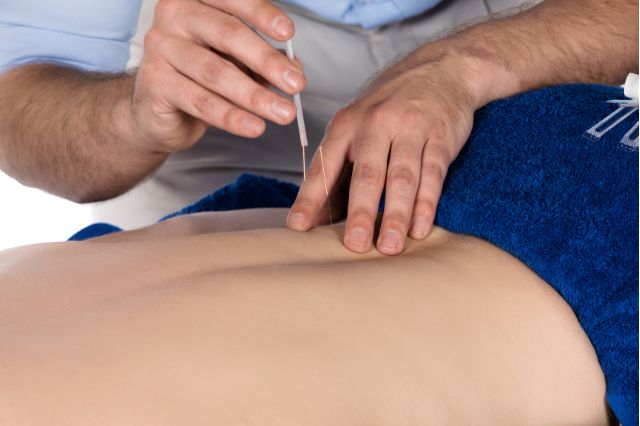
How to Choose the Best Acupuncturist?
Selecting the right acupuncturist is an important step when seeking complementary care to support your overall health. A skilled practitioner should not only have proper training and experience but should also be attentive to your concerns, explain treatments clearly, and ensure you feel comfortable throughout the process. The correct practitioner should help you understand your treatment options and encourage you to take an active part in your wellness plan. So, how can you choose the right acupuncturist? Here are some important factors to consider when selecting an acupuncture clinic. 1. Check the Practitioner’s Credentials The first thing to consider is the practitioner’s education, training, qualifications, and professional experience. Ask about their credentials and ensure they are properly qualified to provide acupuncture services in your area. You can also ask about: Their educational background Their professional training Any relevant certifications or registrations The number of years they have been in clinical practice Their areas of specialization A trustworthy practitioner should be willing to answer your questions about their professional background. 2. Look for a Clean and Safe Clinic Maintaining cleanliness and safety is essential when choosing an acupuncture clinic. A professional clinic should follow proper infection-control practices and use sterile, single-use acupuncture needles. You can look for: Clean treatment rooms Clean hands and equipment Proper disposal of used needles Appropriate sharps containers Clean treatment tables and linens Well-organized treatment areas If you have any concerns, don’t hesitate to ask the clinic about its hygiene and safety practices. 3. Choose Someone Who Listens A good consultation should feel like a real conversation, not a rushed meeting. Your practitioner should take the time to understand: Your main concerns Your symptoms Your health history Current treatments or medications Lifestyle factors Your wellness goals Good communication allows the practitioner to develop a more personalized treatment plan for your care. 4. Don’t Be Afraid to Ask Questions Before starting treatment, ask about anything you are unsure about. For example: How does acupuncture work? Is acupuncture suitable for my condition? What does a typical session involve? How long does a session last? How many sessions might be needed? Are there any possible side effects? What should I expect after treatment? A reliable practitioner should explain things clearly and set realistic expectations rather than making promises about guaranteed results. 5. Consider the Whole Person A fundamental principle of traditional acupuncture is to view the person as a whole, not just focus on a single symptom. Your practitioner may ask about different aspects of your life, such as: Sleep patterns Stress levels Daily routine Physical activity Nutrition Emotional well-being Work and lifestyle Existing health issues This broader discussion can help develop a treatment plan that takes your individual needs into account. 6. Look for Personalized Care Everyone’s health journey is unique. A good acupuncturist should avoid using the same approach for every person. Your consultation should allow the practitioner to understand your individual needs and determine whether acupuncture is right for you. A personalized approach may also involve adjusting the treatment plan based on how you respond over time. 7. Be Wary of Unrealistic Promises A professional healthcare provider should be honest about what acupuncture can and cannot do. Be cautious of practitioners who promise: Guaranteed cures Instant results for every condition A single treatment that solves everything Results that seem too good to be true Acupuncture may help with certain symptoms and wellness goals, but results can vary from person to person. Your practitioner should provide realistic information and suggest additional medical care when appropriate. 8. Ask About Your Treatment Plan Before starting treatment, ask the practitioner about their recommendations and the reasons behind them. You can discuss: Your treatment goals How often sessions should be scheduled How progress will be measured What you may experience during treatment When follow-up care is necessary Whether other healthcare professionals should be involved Having a clear understanding of the plan can help you feel more confident and informed about your care. 9. Pay Attention to How You Feel During the Consultation Your comfort is important. Ask yourself: Did the practitioner listen to me? Did they explain the treatment clearly? Did I feel comfortable asking questions? Did they take my concerns seriously? A positive relationship between practitioner and patient can greatly improve your overall healthcare experience. When Should You Consider Another Healthcare Professional? Acupuncture can serve as a helpful complementary treatment, but it should not replace any required medical diagnosis or treatment. If your symptoms are serious, ongoing, rapidly getting worse, or need a medical check-up, it is important to speak with a healthcare professional. A properly trained acupuncturist should also know when it’s necessary to refer you to a doctor or get further medical input. Choosing an Acupuncturist at Olista Health At Olista Health, we believe that each wellness path is unique. Our approach is centered around understanding your concerns, discussing your goals, and offering tailored acupuncture and wellness care. Before starting your treatment, we recommend asking questions and learning what to expect during your sessions. Start Your Wellness Journey Selecting an acupuncturist does not have to be difficult. Look for professionals who are properly qualified, maintain good hygiene, communicate clearly, offer personalized care, and set realistic expectations. Take the time to explore your options and choose a practitioner you feel confident and comfortable with on your wellness journey. Have questions about acupuncture? Contact Olista Health to find out more about our acupuncture and wellness services. Disclaimer: This article is meant for general information only and should not be used as a substitute for medical advice. Acupuncture may not be appropriate for everyone.Please consult a qualified healthcare provider for diagnosis, treatment, or advice related to a specific health issue.

Does Acupuncture Help with TMJ Disorders?
Temporomandibular joint (TMJ) disorders, also referred to as TMD, can cause discomfort in the jaw, face, ears, and temples.These symptoms might become more apparent when chewing, speaking, or during times of stress. TMJ issues can arise due to various reasons, such as jaw muscle tension, teeth grinding or clenching, injury, arthritis, and other contributing factors.For some individuals, stress can increase jaw tension and lead to discomfort. At Olista Health, acupuncture may be considered as a complementary option to help manage certain TMJ-related symptoms, in addition to appropriate dental or medical care. What Is TMJ? The temporomandibular joints connect the lower jaw to the skull and allow for the movements needed to open and close the mouth, chew, speak, and move the jaw from side to side. When the joint or the surrounding muscles become irritated or tense, it can lead to a group of conditions known as temporomandibular disorders (TMD). What Causes TMJ Disorders? TMJ disorders can be caused by several factors, including: – Teeth grinding or jaw clenching– Stress-related muscle tension– Injury or trauma to the jaw– Arthritis affecting the joint– Tightness in facial and jaw muscles– Issues with jaw movement– Certain dental or structural factors In some cases, multiple factors may contribute to the development of TMJ disorders. Common Symptoms of TMJ Disorders Symptoms of TMJ disorders can vary from person to person.Some common signs include: – Jaw pain or tenderness– Pain around the ears or temples– Headaches– Difficulty or discomfort when chewing– Limited jaw movement– Jaw clicking or popping– Facial discomfort– Jaw stiffness– Teeth grinding or clenching– Pain when opening or closing the mouth If symptoms are persistent or severe, it is important to consult a qualified healthcare or dental professional. Can Acupuncture Help with TMJ? Acupuncture may assist some people in managing symptoms related to TMJ disorders, especially jaw muscle tension and pain. During an acupuncture session, very thin needles are placed at specific points on the body.Depending on the individual’s symptoms, a trained practitioner may use points around the jaw and face, as well as other areas of the body. Research on acupuncture for TMD suggests it may have benefits for pain relief, although results can vary, and acupuncture should not replace professional dental or medical treatment. How Can Acupuncture Support TMJ Management? 1.May Help Reduce Jaw Discomfort Acupuncture may assist with pain related to muscle tension and certain musculoskeletal conditions.It can be part of a broader approach to managing TMJ-related discomfort. 2.May Help Relax Tight Muscles Jaw clenching and teeth grinding can put extra stress on the muscles around the jaw.Acupuncture may help relax these muscles, promoting more comfortable jaw movement. 3.May Support Relaxation Stress can lead to jaw clenching and muscle tension.Acupuncture sessions may promote relaxation and help some individuals manage stress-related muscle tightness. 4.May Support Jaw Movement When muscle tension limits jaw movement, addressing that tension may improve comfort and mobility. How Is Acupuncture Used for TMJ? A trained acupuncturist will first evaluate your symptoms and overall health.Treatment points are then chosen based on your individual needs. Acupuncture points may be used in areas such as: – The jaw– Face– Ear– Head– Neck– Other appropriate areas of the body The treatment approach will vary depending on the person. What Should You Consider Before Acupuncture for TMJ? If you’re thinking about acupuncture for TMJ symptoms, choose a properly trained and qualified practitioner.It’s also important to discuss any existing health conditions, medications, or other treatments with your healthcare provider. Acupuncture may have different effects on different people, and the level of improvement can depend on the cause and severity of the condition. When Should You See a Healthcare Professional? Seek professional evaluation if you experience ongoing or worsening jaw pain, significant difficulty opening your mouth, repeated jaw locking, swelling, or problems with eating. A dentist, doctor, or other qualified healthcare provider can help identify the underlying cause and recommend suitable treatment. Acupuncture for TMJ at Olista Health At Olista Health, we focus on personalized wellness care.Our acupuncture sessions are tailored to individual symptoms and wellness goals. If you’re experiencing jaw tension or discomfort related to TMJ, a professional assessment can help determine whether acupuncture might be a suitable complementary treatment for you. Olista Health — Your Wellness.Our Care. Disclaimer: This article is intended for general educational use and should not be used as a replacement for professional medical or dental advice, diagnosis, or treatment.Acupuncture may not be appropriate for all individuals.It is recommended to consult a licensed healthcare provider if you experience persistent, severe, or worsening symptoms.
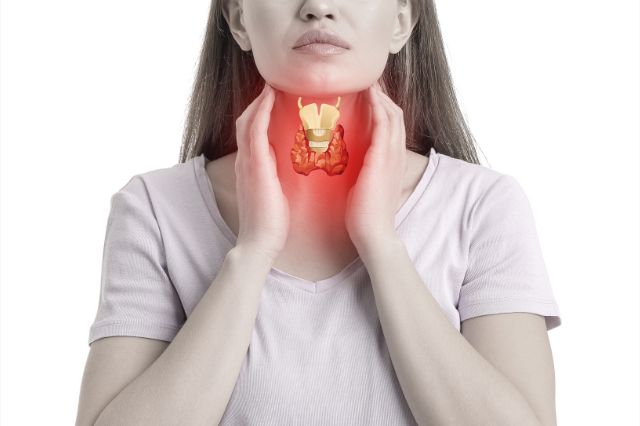
Acupuncture for Thyroid Disorders: Can It Support Your Wellness?
Thyroid disorders are common conditions that can affect people of different ages. The thyroid gland plays an important role in regulating metabolism, energy, heart rate, body temperature, and several other functions. The two most common thyroid conditions are hypothyroidism and hyperthyroidism. While conventional medical treatment remains important for managing thyroid disorders, some people also explore complementary approaches such as acupuncture to support relaxation, stress management, and overall well-being. Before discussing acupuncture, let’s understand more about thyroid disorders. What Is the Thyroid? The thyroid is a small, butterfly-shaped gland located at the front of the neck. It produces hormones that help regulate the body’s metabolism and influence several important processes. When the thyroid produces too much or too little thyroid hormone, it can lead to different thyroid disorders. Two common types are hyperthyroidism and hypothyroidism. What Is Hyperthyroidism? Hyperthyroidism occurs when the thyroid gland produces more thyroid hormone than the body needs. Some commonly associated symptoms may include: The symptoms can vary from person to person, so proper medical evaluation is important. What Is Hypothyroidism? Hypothyroidism occurs when the thyroid gland does not produce enough thyroid hormones. Common symptoms may include: Because these symptoms can overlap with other health conditions, thyroid disorders are generally evaluated through medical history, physical examination, and blood tests such as TSH and thyroid hormone measurements. Can Acupuncture Help With Thyroid-Related Symptoms? Acupuncture is a traditional therapy that involves placing very thin needles at specific points on the body. It is often used as a complementary therapy for relaxation, stress management, and certain types of pain or discomfort. Some people with thyroid disorders may consider acupuncture as part of a broader wellness plan, particularly when dealing with symptoms such as stress, tension, or difficulty relaxing. However, acupuncture should not be considered a replacement for thyroid medication, medical monitoring, or treatment prescribed by a qualified healthcare professional. At Olista Health, acupuncture sessions can be tailored according to an individual’s symptoms, health history, and overall wellness goals. How Does Acupuncture Work? During an acupuncture session, very thin needles are placed at selected points on the body. From a traditional perspective, acupuncture is based on concepts involving pathways and the balance of the body’s energy. From a modern perspective, research has explored how acupuncture may influence the nervous system and the body’s perception of pain and stress. For people seeking complementary wellness care, acupuncture may help promote relaxation and support overall well-being. Why Consider Acupuncture as Complementary Care? When used alongside appropriate medical care, acupuncture may be considered for general wellness and symptom support. Potential areas of interest include: 1. Stress and Relaxation Managing a chronic health condition can sometimes be stressful. Acupuncture sessions may provide a calming experience and support relaxation. 2. Supporting Overall Well-Being A personalized acupuncture session may be incorporated into a broader wellness routine based on an individual’s needs and goals. 3. Complementary Support for Discomfort Acupuncture is commonly explored for certain types of pain and musculoskeletal discomfort. Your practitioner can discuss whether it is appropriate for your particular situation. Is Acupuncture a Treatment for Thyroid Disorders? Acupuncture should be viewed as a complementary therapy rather than a cure for thyroid disorders. If you have hypothyroidism, hyperthyroidism, or another thyroid condition, it is important to continue appropriate medical care and regular monitoring. Do not stop or change prescribed thyroid medication without speaking with your doctor. Acupuncture may be considered alongside conventional treatment when appropriate. Take the First Step Toward Better Wellness Living with a thyroid disorder can affect different aspects of everyday life. A balanced approach that includes appropriate medical care, healthy lifestyle habits, stress management, and complementary wellness practices may help support your overall well-being. At Olista Health, our practitioners focus on personalized wellness care and may recommend acupuncture as part of an individualized approach. Give your body time to relax, recover, and focus on your well-being with personalized acupuncture care at Olista Health. Disclaimer: This article is for general educational purposes only and does not constitute medical advice. Acupuncture is not a replacement for diagnosis or treatment provided by a qualified healthcare professional. If you have symptoms of a thyroid disorder, consult a qualified medical professional for appropriate evaluation and treatment.

Acupuncture Therapy for Slipped Disc
Do you find yourself dealing with ongoing lower back pain, neck discomfort, numbness, or aching that spreads to your arms or legs?These symptoms can sometimes be linked to a slipped disc, also referred to as a herniated or prolapsed disc. A slipped disc can impact the spine and may lead to pain, stiffness, tingling, numbness, or weakness depending on which nerve is affected.If you are experiencing ongoing or severe symptoms, it’s important to see a qualified healthcare provider for proper evaluation and diagnosis. At Olista Health, our practitioners focus on personalized wellness care and may recommend acupuncture as part of a tailored approach to managing certain pain-related symptoms. What Is a Slipped Disc? The spine is composed of a series of vertebrae, connected by soft, cushion-like discs.These discs help absorb pressure and allow for smooth movement of the spine. A slipped disc happens when the inner part of one of these discs pushes through a weakened or damaged outer layer.If the affected disc presses on a nearby nerve, it may result in symptoms such as: * Lower-back or neck pain* Pain that radiates into the arms or legs* Numbness or tingling* Muscle weakness* Stiffness or difficulty moving The symptoms can vary depending on where the disc issue is located and how severe it is. What Causes a Slipped Disc? A slipped disc can develop for multiple reasons.Common contributing factors include: * Age-related wear and tear on the spinal discs* Repeated lifting or physical strain* Poor posture* Sudden movements or injuries* Sitting for long periods* Excessive stress on the spine* Natural weakening of spinal discs over time In some cases, even a simple movement can worsen an already weakened disc. How Is a Slipped Disc Treated? The treatment approach depends on the severity of the condition and the symptoms experienced. Conventional medical treatment may involve physical therapy, changes in daily activities, pain-relieving medication, and other therapies recommended by a healthcare provider.In some severe cases, surgery might be considered. Alongside appropriate medical treatment, some people explore complementary therapies, such as acupuncture to help manage pain and improve comfort. How Does Acupuncture Work? Acupuncture is a traditional therapy that involves placing very thin needles into specific points on the body. From a modern perspective, acupuncture may affect the nervous system and stimulate the body’s natural pain-relief mechanisms.It may also help reduce stress and improve how a person perceives pain. At Olista Health, acupuncture sessions are designed according to a person’s symptoms, health history, and overall wellness needs. Since every person and condition is unique, acupuncture should be performed by a properly trained and qualified practitioner. How Can Acupuncture Help With Pain? Acupuncture may be helpful for some people in managing pain related to musculoskeletal conditions.Potential benefits may include: Acupuncture may influence the nervous system and the body’s natural pain-control processes, potentially helping to reduce the feeling of pain. 2. Promoting Relaxation A calming acupuncture session may help ease muscle tension and encourage relaxation, which can be helpful for people dealing with discomfort. 3. Supporting Mobility When pain and tension are better managed, some individuals may find it easier to move and engage in recommended physical activities or rehabilitation exercises. 4. Individualized Care Acupuncture can be adapted to suit a person’s specific symptoms and overall condition rather than following a one-size-fits-all approach. How Effective Is Acupuncture for a Slipped Disc? Research suggests that acupuncture may offer short-term relief for some types of back and neck pain, although the effectiveness can vary depending on the specific condition and the individual. Acupuncture should not be seen as a guaranteed cure for a slipped disc or as a substitute for proper medical evaluation.The most suitable treatment will depend on the cause, severity, and symptoms of the condition. If you are experiencing persistent back pain, numbness, tingling, or weakness, it’s important to consult a qualified healthcare professional before starting any treatment. Why Choose Olista Health for Acupuncture? At Olista Health, we believe that wellness starts with understanding the individual. Our approach is centered around: – One-on-one consultations– Expert acupuncture treatments– A peaceful and welcoming setting– Customized treatment plans– Support focused on your overall well-being Our practitioners spend time understanding your specific concerns and suggest a treatment plan that matches your unique needs. Take the First Step Toward Better Wellness Dealing with ongoing back or neck pain can impact your daily life and overall well-being.If you’re considering acupuncture as a complementary option for managing pain, professional guidance can help you determine if it’s right for you. Book a consultation with Olista Health to learn more about acupuncture and how it can be integrated into your personalized wellness plan. Olista Health Your Wellness.Our Care. *Disclaimer: The information provided here is for general educational purposes only and is not intended as medical advice or a replacement for professional diagnosis and treatment.Acupuncture may not be suitable for everyone.Please consult a qualified healthcare professional if you have persistent, severe, or worsening symptoms.*