
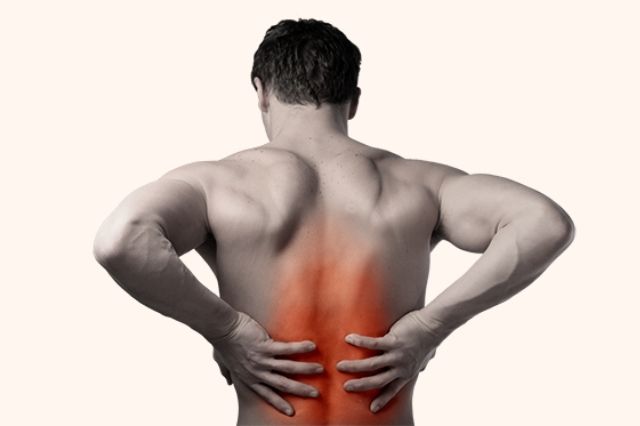
Sciatica refers to pain or other symptoms that travel along the path of the sciatic nerve, which runs from the lower back through the buttocks and into the leg. It commonly occurs when a nerve root in the lower back becomes irritated or compressed.
A herniated disc is one possible cause, but sciatica can also be associated with spinal narrowing, injuries, or muscle-related problems.
At Olista Health, acupuncture may be considered as a complementary approach to help manage certain symptoms associated with sciatica, alongside appropriate medical evaluation and treatment.
What Causes Sciatica?
Several conditions can contribute to sciatic nerve irritation, including:
- Herniated or bulging discs
- Age-related changes in the spine
- Spinal stenosis, or narrowing of spaces in the spine
- Injuries affecting the lower back
- Muscle-related conditions, such as piriformis syndrome
- Certain changes during pregnancy that can place additional stress on the lower back
The underlying cause should be evaluated by a qualified healthcare professional.
Common Symptoms of Sciatica
Sciatica can affect each person differently. Common symptoms include:
- Pain in the lower back, buttocks, or leg
- Pain that travels down one side of the leg
- Tingling or pins-and-needles sensations
- Numbness
- Muscle weakness
- Pain that changes with certain movements or positions
- Difficulty with some everyday activities
Symptoms can range from mild to severe.
Important Warning Signs
Loss of bladder or bowel control, significant or rapidly worsening weakness, or numbness around the inner thighs or genital area can indicate a serious spinal problem and requires urgent medical attention.
Can Acupuncture Help with Sciatica?
Acupuncture has been studied as a complementary treatment for low-back pain and related symptoms. Some people may experience improvements in pain and function, although results vary and acupuncture is not appropriate as a replacement for medical assessment or treatment of the underlying cause.
Acupuncture may be particularly useful as part of a broader approach that can include appropriate exercise, physical therapy, lifestyle changes, and medical care.
How May Acupuncture Support Sciatica Management?
Acupuncture involves inserting very thin, sterile, single-use needles at selected points on the body.
Research suggests that acupuncture may influence the nervous system and the body’s pain-processing mechanisms. It may also help with muscle tension and relaxation.
Potential benefits may include:
1. Supporting Pain Management
Acupuncture may influence how the nervous system processes pain and may help some people manage lower-back and leg discomfort.
2. Relaxing Tight Muscles
Muscle tension around the lower back, hips, and buttocks can contribute to discomfort. Acupuncture may help promote muscle relaxation.
3. Supporting Mobility
When pain and muscle tightness affect movement, reducing discomfort may help make everyday movement more comfortable.
4. Promoting Relaxation
Persistent pain can affect stress levels and sleep. Acupuncture sessions may promote relaxation as part of an overall wellness plan.
How Does Acupuncture Treatment for Sciatica Work?
Before treatment, an acupuncturist should discuss your symptoms, health history, existing conditions, medications, and treatment goals.
Based on your individual needs, acupuncture points may be selected around the lower back, hips, legs, or other appropriate areas.
The treatment approach can vary depending on:
- The cause of your symptoms
- Severity and duration of pain
- Your overall health
- Your response to previous treatment
- Other therapies you may already be receiving
How Many Acupuncture Sessions May Be Needed?
There is no single number of sessions that works for everyone.
The recommended frequency and duration of treatment depend on the individual, the underlying cause, and how symptoms respond. Your practitioner can discuss a treatment plan with you after an initial assessment.
It is better to evaluate progress over time rather than expect immediate results from a single session.
Acupuncture as Part of a Complete Approach
Sciatica can have different underlying causes, so identifying the cause is important.
Depending on your condition, your healthcare team may recommend treatments such as:
- Physical therapy
- Appropriate stretching and strengthening exercises
- Activity modification
- Pain management
- Medical treatment
- Acupuncture as a complementary therapy
Acupuncture should complement—not replace—necessary medical care.
Why Choose Olista Health?
At Olista Health, wellness care should be personalized. Our practitioners take the time to understand your concerns and develop an approach tailored to your individual needs.
If you’re experiencing symptoms associated with sciatica, we encourage you to seek appropriate medical evaluation and discuss whether acupuncture could be a suitable complementary option for you.
Take the First Step Toward Better Wellness
Don’t ignore persistent back or leg pain. Understanding the underlying cause is the first step toward appropriate care.
Olista Health — Your Wellness. Our Care. 💜
Disclaimer: This article is for general educational purposes only and does not replace professional medical advice, diagnosis, or treatment. Acupuncture may not be suitable for everyone, and evidence for its effectiveness varies. Please consult a qualified healthcare professional for persistent, severe, or worsening symptoms.