Thyroid disorders are common conditions that can affect people of different ages. The thyroid gland plays an important role in regulating metabolism, energy, heart rate, body temperature, and several other functions. The two most common thyroid conditions are hypothyroidism and hyperthyroidism.
While conventional medical treatment remains important for managing thyroid disorders, some people also explore complementary approaches such as acupuncture to support relaxation, stress management, and overall well-being.
Before discussing acupuncture, let’s understand more about thyroid disorders.
What Is the Thyroid?
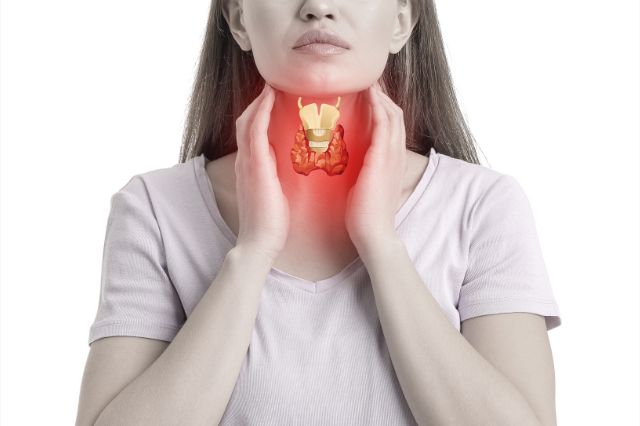
The thyroid is a small, butterfly-shaped gland located at the front of the neck. It produces hormones that help regulate the body’s metabolism and influence several important processes.
When the thyroid produces too much or too little thyroid hormone, it can lead to different thyroid disorders.
Two common types are hyperthyroidism and hypothyroidism.
What Is Hyperthyroidism?
Hyperthyroidism occurs when the thyroid gland produces more thyroid hormone than the body needs.
Some commonly associated symptoms may include:
- Unintentional weight loss
- Increased or rapid heartbeat
- Nervousness or irritability
- Increased bowel movements
- Muscle weakness
- Increased sensitivity to heat
- Swelling or enlargement of the thyroid gland, known as a goiter
The symptoms can vary from person to person, so proper medical evaluation is important.
What Is Hypothyroidism?
Hypothyroidism occurs when the thyroid gland does not produce enough thyroid hormones.
Common symptoms may include:
- Tiredness or low energy
- Feeling unusually cold
- Constipation
- Slower heart rate
- Dry skin or hair
- Difficulty concentrating
- Muscle weakness
- Menstrual changes
- Weight changes
Because these symptoms can overlap with other health conditions, thyroid disorders are generally evaluated through medical history, physical examination, and blood tests such as TSH and thyroid hormone measurements.
Can Acupuncture Help With Thyroid-Related Symptoms?
Acupuncture is a traditional therapy that involves placing very thin needles at specific points on the body. It is often used as a complementary therapy for relaxation, stress management, and certain types of pain or discomfort.
Some people with thyroid disorders may consider acupuncture as part of a broader wellness plan, particularly when dealing with symptoms such as stress, tension, or difficulty relaxing.
However, acupuncture should not be considered a replacement for thyroid medication, medical monitoring, or treatment prescribed by a qualified healthcare professional.
At Olista Health, acupuncture sessions can be tailored according to an individual’s symptoms, health history, and overall wellness goals.
How Does Acupuncture Work?
During an acupuncture session, very thin needles are placed at selected points on the body.
From a traditional perspective, acupuncture is based on concepts involving pathways and the balance of the body’s energy. From a modern perspective, research has explored how acupuncture may influence the nervous system and the body’s perception of pain and stress.
For people seeking complementary wellness care, acupuncture may help promote relaxation and support overall well-being.
Why Consider Acupuncture as Complementary Care?
When used alongside appropriate medical care, acupuncture may be considered for general wellness and symptom support.
Potential areas of interest include:
1. Stress and Relaxation
Managing a chronic health condition can sometimes be stressful. Acupuncture sessions may provide a calming experience and support relaxation.
2. Supporting Overall Well-Being
A personalized acupuncture session may be incorporated into a broader wellness routine based on an individual’s needs and goals.
3. Complementary Support for Discomfort
Acupuncture is commonly explored for certain types of pain and musculoskeletal discomfort. Your practitioner can discuss whether it is appropriate for your particular situation.
Is Acupuncture a Treatment for Thyroid Disorders?
Acupuncture should be viewed as a complementary therapy rather than a cure for thyroid disorders.
If you have hypothyroidism, hyperthyroidism, or another thyroid condition, it is important to continue appropriate medical care and regular monitoring. Do not stop or change prescribed thyroid medication without speaking with your doctor.
Acupuncture may be considered alongside conventional treatment when appropriate.
Take the First Step Toward Better Wellness
Living with a thyroid disorder can affect different aspects of everyday life. A balanced approach that includes appropriate medical care, healthy lifestyle habits, stress management, and complementary wellness practices may help support your overall well-being.
At Olista Health, our practitioners focus on personalized wellness care and may recommend acupuncture as part of an individualized approach.
Give your body time to relax, recover, and focus on your well-being with personalized acupuncture care at Olista Health.
Disclaimer: This article is for general educational purposes only and does not constitute medical advice. Acupuncture is not a replacement for diagnosis or treatment provided by a qualified healthcare professional. If you have symptoms of a thyroid disorder, consult a qualified medical professional for appropriate evaluation and treatment.